Fragr guide
Arab Fragrance Houses Explained: Lattafa, Armaf, Afnan, and Al Haramain
3 min read · 4 chapters
Open any fragrance forum in 2026 and you will hit the same recommendation within three comments: buy Arab. The United Arab Emirates has quietly become the most interesting place in perfumery's value tier, with houses in Dubai and Sharjah producing dense, long-lasting compositions that could carry designer labels without embarrassment. This is not an accident. The Gulf has a perfume culture older than most French houses, built on oud, amber, and the expectation that a fragrance should still be alive on your skin the next morning.
The problem is that the four names you will see most often — Lattafa, Armaf, Afnan, and Al Haramain — get lumped together as one interchangeable blob. They are not. Each house has a distinct personality, a distinct hit rate, and a distinct set of things it does badly. Knowing which is which saves you from a shelf of blind-buy regrets.
Lattafa: The Hit Factory
Lattafa is the biggest name in the game and the best entry point. Its specialty is crowd-pleasers: sweet, warm, loud compositions engineered to earn compliments rather than to impress perfume critics. The house's weakness is subtlety — almost nothing in the catalog whispers — and sprayers and batch consistency can wobble. But the hit rate at the top of the range is genuinely absurd, and Lattafa also runs Maison Alhambra, a sister label that works more directly in designer-inspired territory.

Boozy dates, cinnamon, and praline — dessert in a bottle, and the modern budget benchmark.
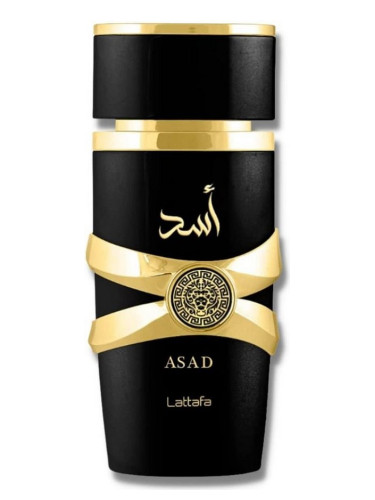
Peppery coffee, lavender, and vanilla amber; a night-out scent that projects for hours.

A creamy, fruity musk that became a bestseller for a reason — cozy, sweet, effortless.
Armaf: The Designer Understudy
Armaf, a Sterling Parfums brand, made its name doing one thing very well: rebuilding beloved prestige compositions at drugstore cost. The results are rarely identical — openings tend to run sharper and more synthetic for the first ten minutes — but the drydowns often land shockingly close. If you want to test-drive a famous style before committing to the original, start here. The trade-off is that little in the catalog feels original; Armaf follows, it does not lead.
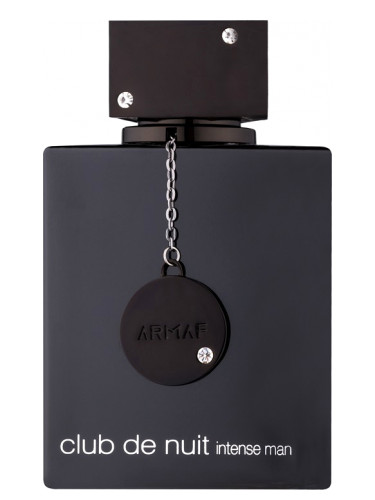
The famous smoky pineapple: lemony and harsh up top, convincingly Aventus-like an hour in.
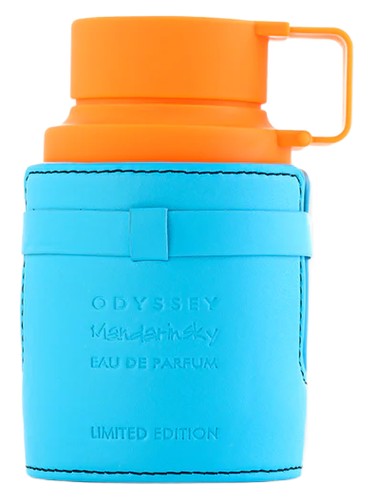
Honeyed mandarin over vanilla in an unapologetically gold bottle; warm, sweet, flashy.
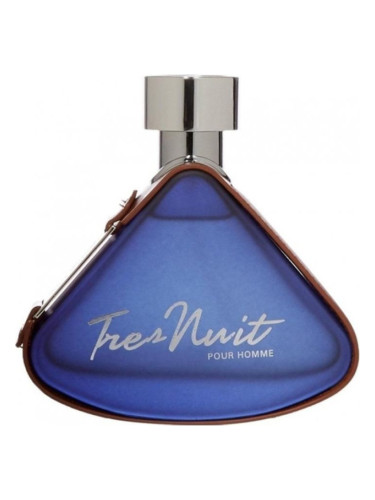
Dewy violet-leaf freshness in Green Irish Tweed territory; smells lovely, fades fast.
Afnan: The Performance House
Afnan's calling card is projection. Its best-known bottles are extraits and dense eau de parfums that fill a room and hang in the air for eight-plus hours, which makes it the go-to house for people who equate performance with value. The catalog is smaller and less consistent than Lattafa's, and the loudness cuts both ways — an Afnan overspray follows you all day and everyone near you knows it.
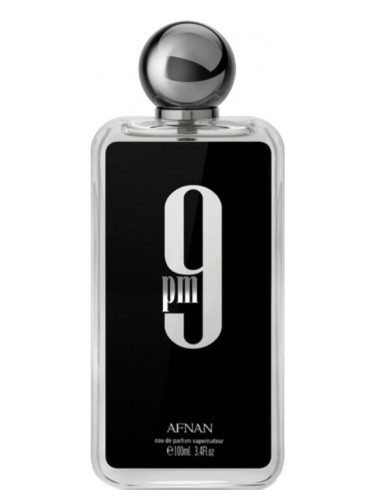
Sweet apple, cinnamon, and amber vanilla in the Ultra Male style; a party scent with a nuclear engine.
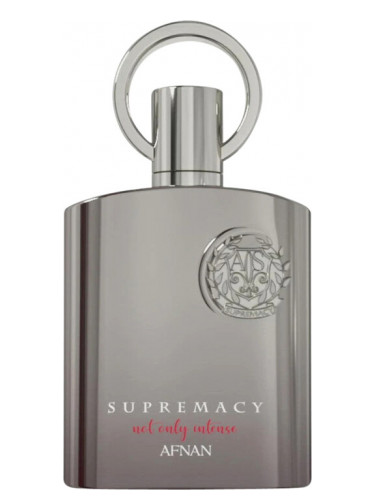
Dense, smoky, lava-thick pineapple extrait — darker and heavier than the style it nods to.
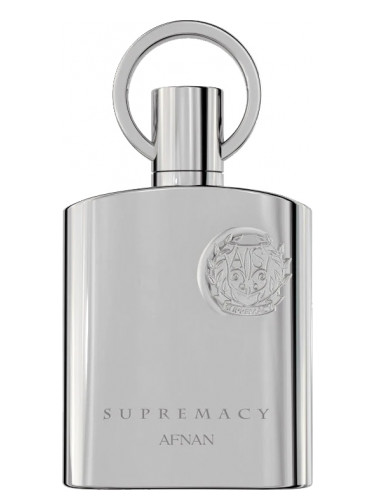
The fresh one: bright citrus and clean musk that behaves itself at the office.
Al Haramain: The Heritage House
Founded in 1970, Al Haramain is the elder statesman here, with roots in traditional attars and perfume oils for the Gulf market. Its western-style sprays lean rich, resinous, and amber-heavy, and the blending is often smoother than the price class suggests. It chases trends less aggressively than the others — which means fewer viral hits, but also fewer bottles that smell like everything else on your feed.
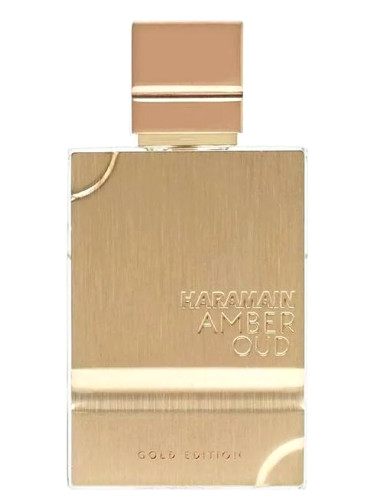
Candied citrus over plush amber-vanilla, in the same sunny lane as Xerjoff's Erba Pura.
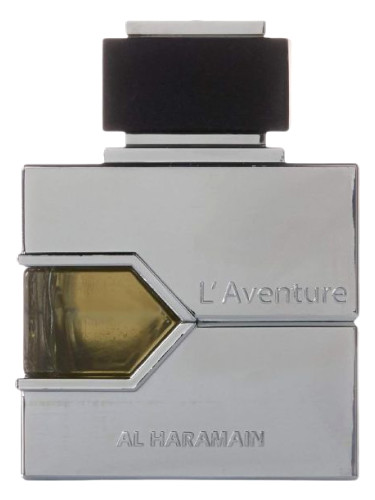
A drier, lemony-woody take on the smoky pineapple genre; more office-safe than most of them.
Match the house to your taste, not to whoever has the most YouTube coverage this week. Sweet crowd-pleasers, go Lattafa. Designer styles on a budget, Armaf. Maximum performance, Afnan. Smooth ambery richness, Al Haramain. Whichever you choose, buy from established retailers — the popularity of these houses means third-party listings vary wildly in freshness and batch quality, and a bad bottle will sour you on a genuinely great house.
Want picks made for you?
Tell the recommender what you already own and it reads the DNA of your shelf.
Get recommendationsAs an Amazon Associate we earn from qualifying purchases.