Fragr guide
Best Woody Fragrances for Men (2026): Cedar, Sandalwood, Vetiver and Dry Woods
5 min read · 4 chapters
Woody fragrances are the backbone of a great men's collection — the scents that read as grown-up, versatile and quietly confident without shouting. Woody is a huge umbrella, though, and lumping cedar, sandalwood, vetiver and oud together does them a disservice, because they smell nothing alike. Cedar is dry and pencil-shaving sharp; sandalwood is creamy and almost milky; vetiver is green, earthy and sometimes smoky; oud is dense and animalic.
That variety is exactly why woods are so useful. There's a woody fragrance for a July afternoon and one for a January meeting, one for the office and one for a date. They pair beautifully with citrus up top and amber or leather underneath, and they tend to have the kind of longevity fresh scents can only dream of. If you're building a wardrobe from scratch, a good dry woody and a good sandalwood will already cover most of your life.
I've split this guide by the dominant wood so you can shop for the character you actually want, not just the word woody on a label. Every pick below is something I've worn or tested extensively, spanning designer, niche, and the Arab houses (Lattafa, Armaf and friends) that do woods shockingly well for the price. I'll flag the weaknesses too — a few of these are genuinely polarizing.
Cedar and dry woods
Dry woods are the most wearable and office-friendly of the family: crisp, a little peppery, never sweet. Cedar is the anchor here — think freshly sharpened pencils — usually lifted with citrus, pepper or a mineral flintiness that keeps things from turning dusty. These are the scents that feel appropriate almost anywhere, which is why the category's reference bottle is one of the best-selling men's fragrances on earth.
The trade-off with dry woods is that they can read a little cold or corporate, and the cheaper ones lean on the same handful of synthetic cedar-amber molecules, so a few of these smell like cousins. Pick the one whose opening you like best — the base is often similar underneath.
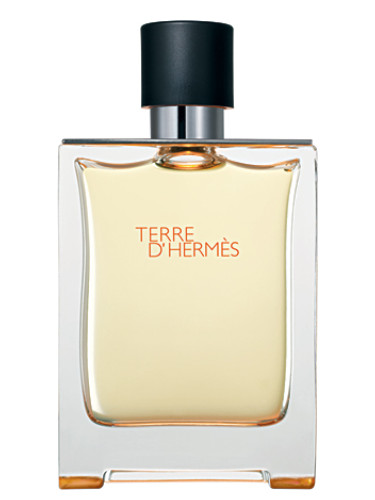
The dry-woody benchmark: flinty grapefruit and orange over cedar and vetiver, mineral and refined; the EDP and Parfum concentrations fix the only real complaint, which is middling EDT longevity.
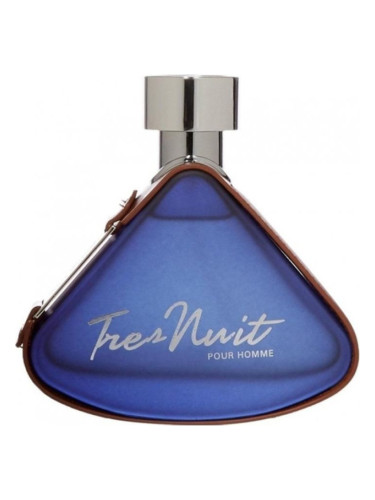
An unapologetic take inspired by Terre d'Hermès for a fraction of the price; less refined and a touch sharper, but genuinely close and a smart starter woody.

Zesty lemon-lime up top crashing into a dark cedar-oud base; loud, long-lasting and a bit divisive — some find it soapy, I find it addictive.
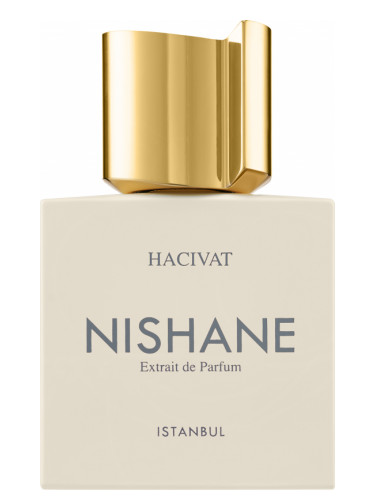
Juicy pineapple over dry oakmoss and woods, often compared to a modern chypre; polished and expensive-smelling, though the pineapple can lean synthetic in the drydown.
Creamy sandalwood
Sandalwood is the cozy end of the woody spectrum — soft, warm, slightly sweet and lactic, like sanded wood and warm milk. Real Mysore sandalwood is largely gone from mainstream perfumery, so most modern takes build the effect with a blend, but the best still deliver that comforting, skin-close creaminess people find quietly magnetic. These wear closer to the skin than dry woods, which makes them fantastic for intimate settings and frustrating for anyone chasing scent-throw.
If you want compliments-across-the-room projection, sandalwood usually isn't it — this is a category you wear for yourself and the people who get close. The exception below is the smoky, radiant modern icon that broke that rule.
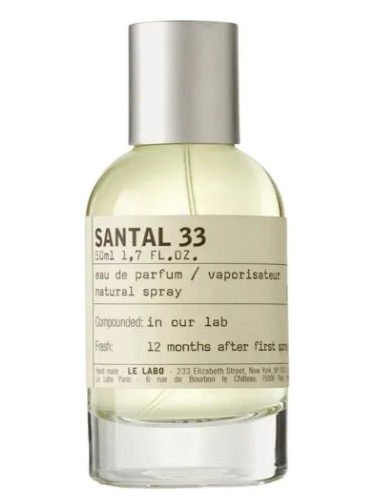
The scent that launched a thousand imitations: smoky sandalwood, cardamom and leather with an almost campfire edge; hugely recognizable now, which is either the appeal or the problem depending on your taste.
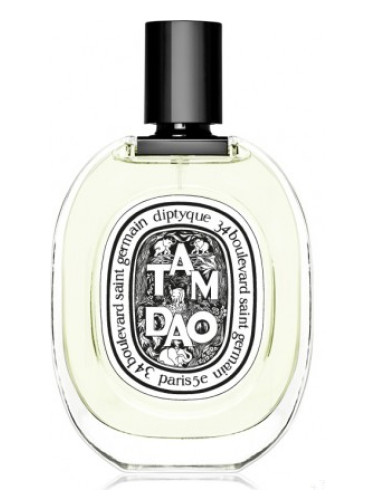
About as pure a creamy sandalwood as you can buy — soft, woody, faintly rosy and beautifully calm; the knock is modest longevity for the price.
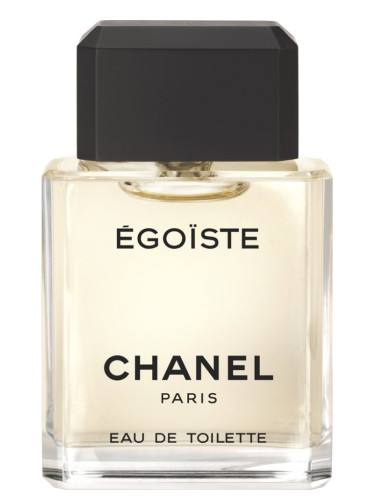
A vintage-style sandalwood with rose, spice and vanilla; dandyish and unmistakably old-school in the best way, though it can feel dated to younger noses.
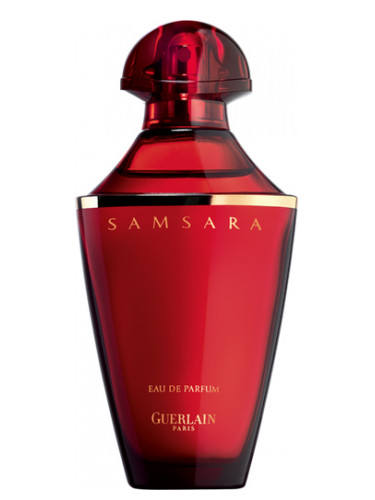
An opulent, creamy sandalwood-jasmine that's technically feminine but wears beautifully on men; rich, retro and built like a tank.
Vetiver — green, earthy and smoky
Vetiver is a grass root, and it's one of the most versatile materials in all of perfumery — depending on how it's handled it can smell green and fresh, earthy and rooty, or dark and smoky like scorched wood. It's the perfect antidote to sweet, and a great vetiver is about the most grown-man a fragrance can smell. This is my personal favorite corner of the woody world.
Fair warning: vetiver can read as bitter, dirty or like wet soil to people who aren't used to it, and the smokier ones especially split a room. If you're new to it, start with a bright citrus-vetiver before you graduate to the ashy stuff.
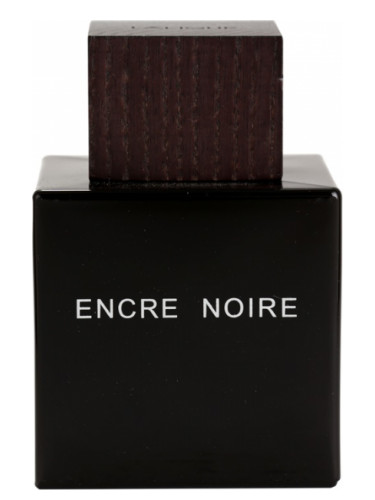
The cult dark-vetiver benchmark: smoky, ashy, almost damp-earth vetiver over musk in a sleek black cube; incredible value and longevity, though it's austere and a little melancholic.
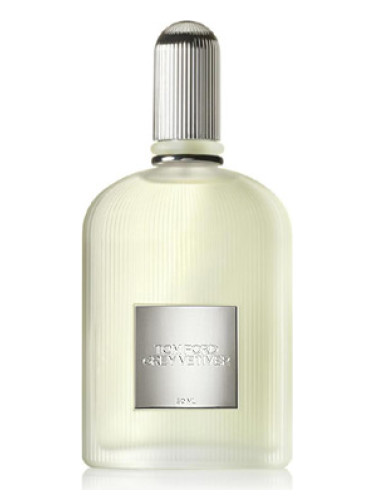
The clean, polished, office-ready vetiver — citrus and pepper keeping the root bright and wearable; safe, versatile and slightly forgettable, which is exactly the point.

The classic citrus-and-tobacco vetiver from 1961; timeless barbershop elegance your grandfather might have worn that still smells right today.
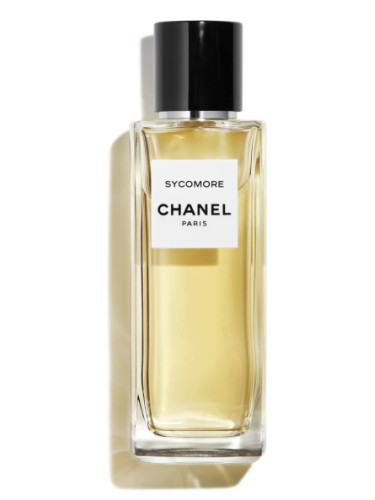
A refined smoky vetiver from Les Exclusifs, with a whisper of tobacco and pink pepper; expensive and understated to the point of shy, but gorgeous.
Woody-amber and oud crossovers
When woods meet amber, oud or spice you get the big, cozy, cold-weather end of the spectrum — richer and sweeter than a dry cedar, with the projection and longevity to match. Oud (agarwood) is the headliner here; real oud is astronomically expensive and animalic, so most affordable oud scents use a smoother, sweeter woody-amber accord instead, which honestly wears better for most people anyway.
These are date-night and dinner scents, not summer-office picks — they can be heavy and sweet, so a light hand goes a long way. The good news is that this is where the Arab houses genuinely compete with, and sometimes beat, the niche originals.
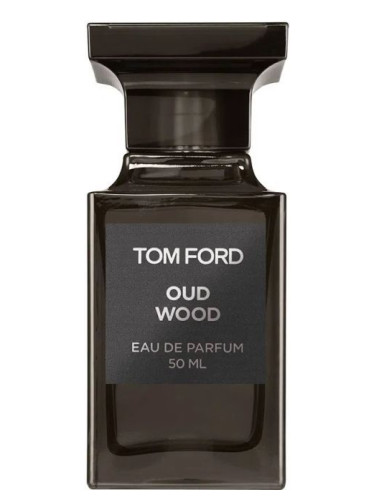
The gateway oud: smooth, smoky rosewood and sandalwood with just a hint of real agarwood, refined and never sharp; the modest performance for the price is its one true flaw.
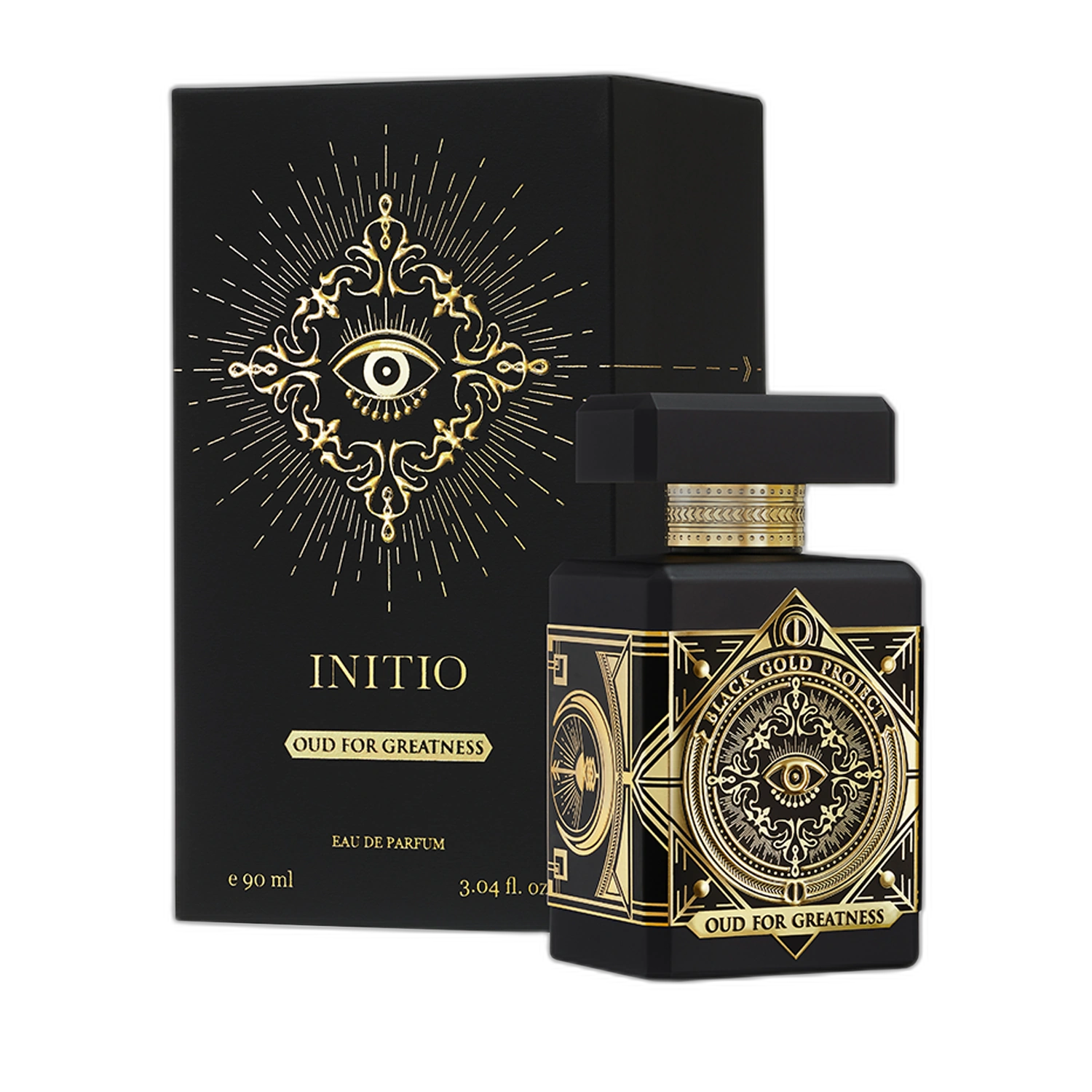
A smoky, spicy saffron-and-oud beast with huge projection; one of the most impactful woods you can buy, though the aggressive opening isn't for everyone.

A spiced date, cinnamon and woody-amber crowd-pleaser that vastly overdelivers for the price; sweet and cozy with room-filling sillage — arguably the best-value woody-leaning scent of recent years.
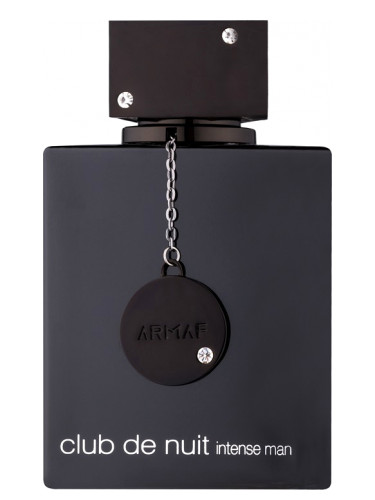
Beyond its famous fruity opening lies a smoky birch-and-woods base that lands squarely in dry-woody territory; monstrous performance for the money, with the usual caveat about batch consistency.
If I had to send someone home with two woody fragrances to cover their life, I'd pick a dry woody like Terre d'Hermès for daytime and a warm woody-amber like Khamrah or Oud Wood for the evening — between them you're set for almost any occasion and season. From there, add a great vetiver for when you want to smell like a serious adult, and a creamy sandalwood for the days you want to smell touchable. Woods reward patience: wear them a few times before you judge, because the drydown is usually where the magic lives.
Want picks made for you?
Tell the recommender what you already own and it reads the DNA of your shelf.
Get recommendationsAs an Amazon Associate we earn from qualifying purchases.