Fragr guide
Dior Sauvage Explained: Every Flanker, the Best Alternatives, and What to Buy
3 min read · 4 chapters
Sauvage is the best-selling men's fragrance on the planet, and the fragrance community has never forgiven it for that. The truth sits between the sales figures and the snobbery: the Sauvage DNA — bright Calabrian bergamot over a huge dose of the ambergris-like molecule Ambroxan — is a legitimately great idea, executed with real polish. It's also everywhere, and on the wrong day the EDT's peppery opening can read metallic, like a very expensive alarm going off.
The confusing part is that Sauvage isn't one fragrance. It's a family of concentrations that smell meaningfully different from each other, surrounded by an entire economy of alternatives. Here's the whole universe, decoded, with an honest answer to the only question that matters: which bottle should you actually buy?
The Lineup, Decoded
The original Eau de Toilette (2015) is the sharp one: bergamot, Sichuan pepper, and that steely Ambroxan hum — fresh, aggressive, instantly recognizable. The Eau de Parfum (2018) rounds the edges with star anise and a vanilla warmth; it's smoother, quieter, and the easiest to wear year-round. The Parfum (2019) goes deeper into sandalwood and tonka. The Elixir (2021) is nearly a different fragrance: a concentrated shot of lavender, spice, and licorice-sweet amber that performs like weather. Two sprays of Elixir is a commitment; four is an incident.
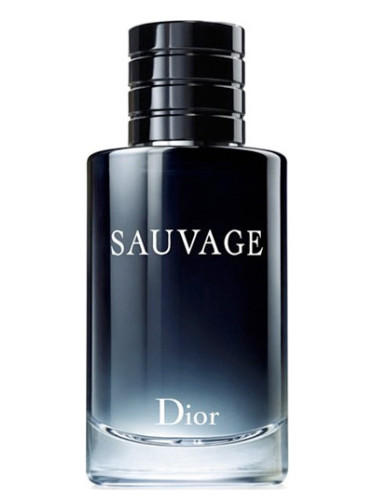
The original blue blade — bright, peppery, ubiquitous for a reason.
The rounded, versatile middle child and the smart default for most people.
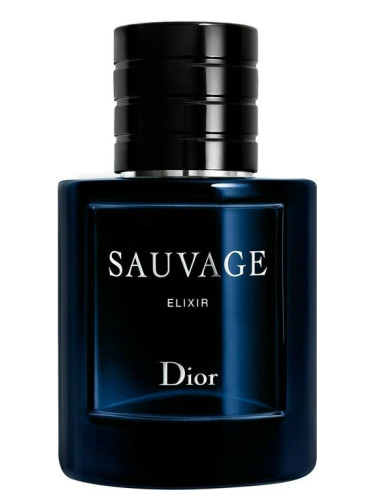
Spiced lavender-amber with absurd power; the connoisseur's pick of the line.
Which One Should You Actually Buy?
If you're buying your first bottle, get the Eau de Parfum: it keeps the signature smell, loses the screech, and works from a morning meeting to a late dinner. Choose the EDT only if you specifically love that sharp, cold-metal freshness. The Elixir is the one enthusiasts keep, but treat it as a cold-weather and evening specialist rather than a daily driver. That leaves the Parfum as the awkward member of the family — perfectly nice, but bracketed on both sides by better options.
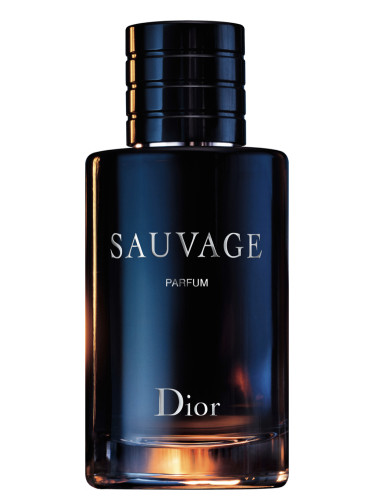
The skippable one — the EDP and Elixir do its job better from either side.
The Inspired-By Route
Because Sauvage is the most recognizable smell in modern masculine perfumery, it's also the most imitated, and the quality of the imitations has climbed fast. The picks below are the ones that hold up on skin, not just on a test strip — with the usual caveat that openings are where the budget shows, and none of them fully escapes a synthetic first ten minutes.
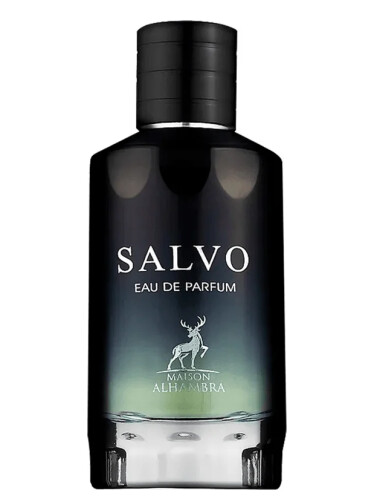
A faithful sketch of the EDP's warm-peppery signature; the drydown is the impressive part.
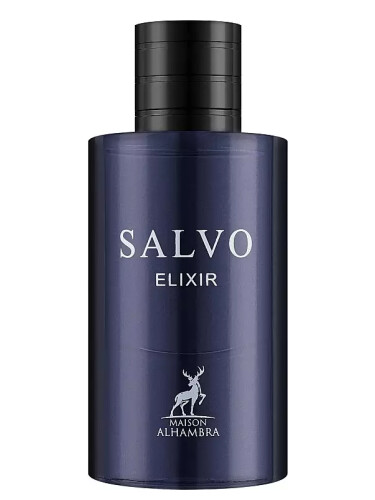
Chases the Elixir's spiced-sweet density and gets surprisingly far for the money.
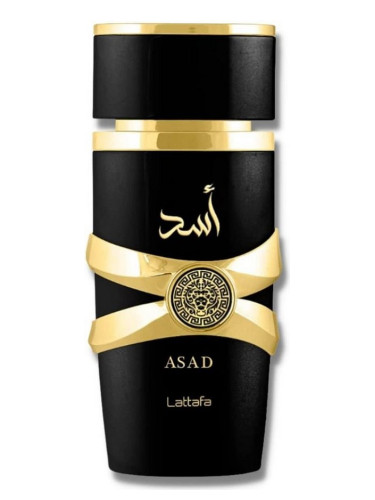
Elixir-adjacent rather than a copy — darker, more coffee and vanilla, arguably more fun.
Different Bottle, Same Job
Maybe you like what Sauvage does — fresh, confident, universally safe — but not the fragrance itself, or you've simply smelled it on one coworker too many. These three cover the same social territory with their own personalities, and every one of them is a safer blind buy than a niche experiment.
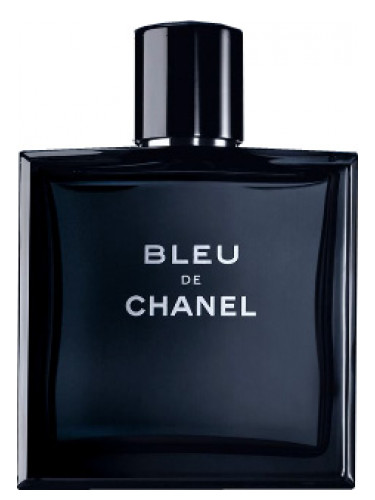
The polished citrus-woody statesman; does Sauvage's job in a better-cut suit.
Ambroxan freshness with a Mediterranean fig-and-citrus accent at a friendlier tier.
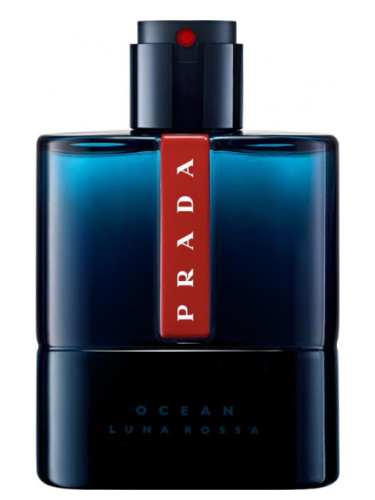
Sleeker and more mineral — the choice if Sauvage feels too loud for your taste.
The boring answer is usually the right one: most people should own Sauvage Eau de Parfum and stop there. Enthusiasts should try the Elixir in cold weather before judging the line, budget shoppers get remarkable mileage from the Maison Alhambra pair, and anyone tired of smelling like the group chat should walk one shelf over to Chanel. Sauvage became a monolith by being genuinely good at its job — the trick is deciding how much of that job you need done.
Want picks made for you?
Tell the recommender what you already own and it reads the DNA of your shelf.
Get recommendationsAs an Amazon Associate we earn from qualifying purchases.