Fragr school
Fragrance Families 101: The Map of All Perfumery
8 min read · 7 chapters
Walk into a fragrance store cold and you're facing a wall of five hundred bottles that all claim to be fresh, sensual, and unforgettable. You cannot smell your way through that. But here's the secret the industry runs on internally: there aren't five hundred smells. There are about nine families, and every bottle on that wall is a variation on one of them — sometimes two.
Learn the families and the wall reorganizes itself in front of you. You stop asking 'is this good?' and start asking 'which neighborhood is this from, and do I like that neighborhood?' You also become immune to marketing, because a note list stops being a poem and starts being a set of coordinates.
This guide is the map: the nine families and their reference icons, how the note pyramid actually behaves on skin hour by hour, how to read a note list without being fooled, which families belong to which seasons, and a concrete method for finding your own home territory without wasting money.
Why families exist: the fragrance wheel
Perfumers have grouped scents by structure for a century, but the modern system comes from taxonomist Michael Edwards, whose Fragrance Wheel (first published in 1983, refined ever since) arranged everything into four super-groups — Fresh, Floral, Amber, and Woody — with families fanned around the rim like colors on a color wheel. Neighboring families share DNA; opposite families clash or contrast dramatically.
Treat the wheel as a map, not a law. Plenty of great fragrances straddle two families — a woody amber, a floral chypre — and arguing about the exact border is a hobby, not a skill. What matters is that once you know your favorite region, every neighboring family is a short, safe hop, and you can predict whether you'll like something before spraying it.
| Family | Smells like | Reference icon | Wear it when |
|---|---|---|---|
| Citrus | Sparkling peel, cologne freshness | Acqua di Parma Colonia | Heat, daytime, summer |
| Aromatic / fougère | Lavender, herbs, the barbershop | Dior Sauvage | Every day, office, casual |
| Floral | The flower shop, soliflore to bouquet | Chanel No 5 | Daytime elegance, spring, weddings |
| Chypre | Bergamot over mossy, bitter elegance | Guerlain Mitsouko | Fall, tailored occasions |
| Woody | Cedar, vetiver, dry warmth | Terre d'Hermès | Office to dinner, year-round |
| Amber (oriental) | Resins, vanilla, spice, sweet heat | Baccarat Rouge 540 | Cold evenings, events |
| Gourmand | Dessert: vanilla, honey, cocoa | Tom Ford Tobacco Vanille | Winter nights |
| Leather | Smoke, birch tar, suede | Tom Ford Tuscan Leather | Statement evenings |
| Musk | Clean skin, warm laundry | Glossier You | Anywhere, up close |
The nine families at a glance
The fresh side: citrus, aromatics, florals, chypres
Citrus is perfumery's oldest family — eau de cologne dates to the early 1700s — and still its most instantly likable: bergamot, lemon, neroli, sunlight in a bottle. Its weakness is longevity, since citrus molecules are tiny and evaporate fast. Aromatic fougères bolt herbs and lavender onto a mossy-coumarin base; this is the 'barbershop' smell, and its modern descendants dominate the men's bestseller list. Nearly every mass-market 'blue' fragrance is an aromatic with the freshness turned up.
Florals are the largest family in perfumery — from a single-flower soliflore to grand abstract bouquets built on aldehydes, the champagne-fizz molecules that made Chanel No 5 revolutionary in 1921. Chypre is the connoisseur's corner: a structural contrast of bright bergamot over dark oakmoss and labdanum, named after Coty's Chypre of 1917. It smells 'bitter-elegant' rather than pretty, and it's usually the last family people learn to love — and then love hardest.
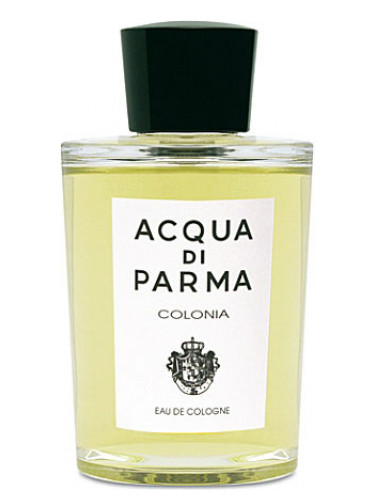
The citrus reference since 1916: sparkling Italian bergamot and lemon over a soft floral hum — daytime elegance with a century of receipts.
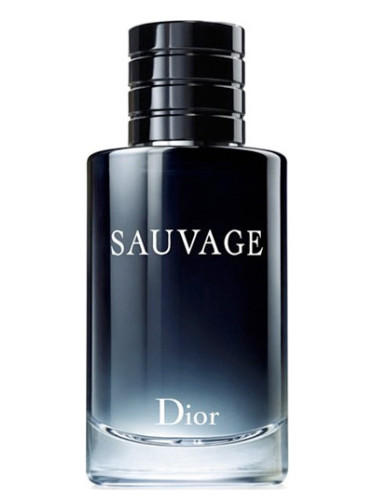
The modern aromatic juggernaut: bergamot, pepper, and a mountain of ambroxan. Whatever you think of its ubiquity, it is the reference point.
The aldehydic floral — jasmine and rose lifted by aldehydes into pure abstraction. Smell it once seriously and a hundred other perfumes make sense.
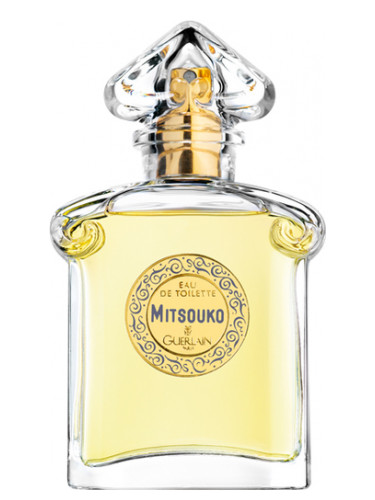
The great chypre: peach skin over oakmoss, melancholy and tailored. If it clicks for you, welcome to the deep end of the hobby.
The warm side: woods, ambers, gourmands, leather, musk
Woody fragrances run on cedar, sandalwood, vetiver, and patchouli — dry, grounded, quietly authoritative. They're the most office-compatible of the warm families and the backbone of men's perfumery. Amber (the family formerly marketed as 'oriental') is the opposite pole from citrus: labdanum resin, vanilla, and spice cooked into golden sweetness, built for cold air and low light.
Gourmand is the youngest family — generally dated to Thierry Mugler's Angel in 1992, the first blockbuster built openly on dessert notes like chocolate and caramel. Leather is the smallest and most dramatic: smoky birch tar and suede effects that read as a jacket, not a food or a flower. And musk quietly underwrites all of them — clean, skin-like, and the base note of practically everything modern, which is why it gets treated as both a family and an ingredient.
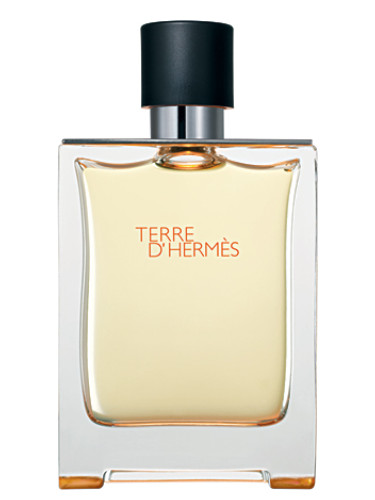
The woody reference: orange over flint, cedar, and vetiver. Smells like intelligence; works from interview to dinner without editing.
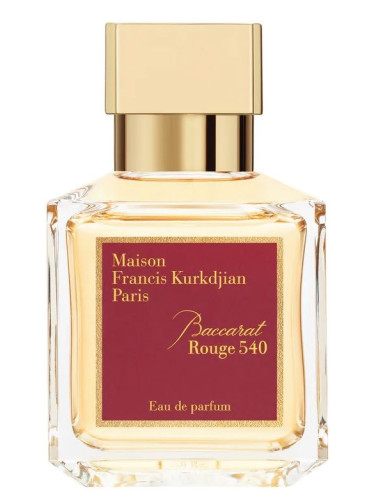
The defining modern amber: saffron-jasmine over ambroxan and a burnt-sugar glow, so influential it spawned an entire decade of imitators.
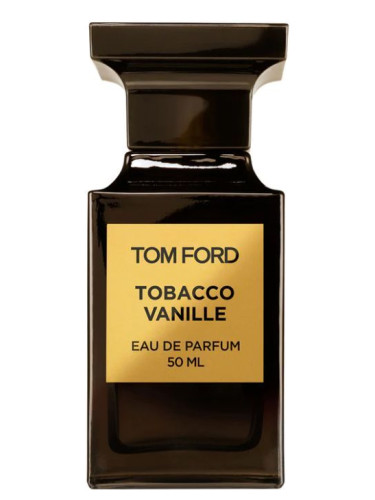
The gourmand-adjacent icon: pipe tobacco, vanilla, and dried fruit — a winter dessert with a smoking jacket on.
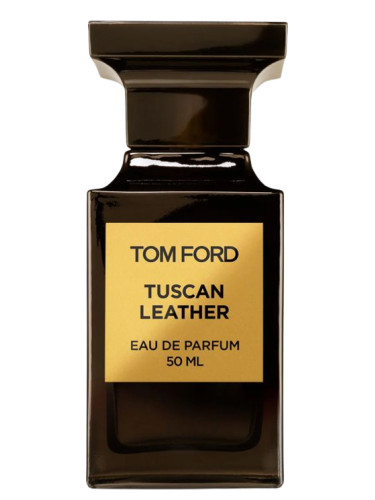
The leather reference of the last twenty years: raspberry over raw suede and smoke. Unmistakable, and famously the inspiration for a wave of niche leathers.
How the note pyramid actually works
Every fragrance is a timed release, and the pyramid describes the schedule. Top notes are the smallest, most volatile molecules — citrus, aldehydes, light herbs — and they're mostly gone in five to twenty minutes. Heart notes (florals, spices, fruit) carry the fragrance from roughly twenty minutes to two or three hours. Base notes — woods, resins, musks, vanilla — are heavy molecules that anchor everything and can last eight hours to overnight on skin and days on fabric.
This is straight physics: lighter molecules reach your nose first and burn off fastest. The practical consequence is the single most money-saving rule in this hobby — never judge a fragrance by its first ten minutes. The opening is the trailer; the drydown is the movie. You will live in the base for ninety percent of the wearing, so that's what you're actually buying.
How to read a note list without being fooled
Here's the uncomfortable truth: a note pyramid is a marketing document, not an ingredient list. 'Notes' describe what the perfumer wants you to perceive, not what's in the vial — most 'oud' fragrances contain no oud, and nobody is putting actual 'sea breeze' in anything. A thirty-note pyramid doesn't mean complexity; you will perceive maybe five accords, and the long list is there to give everyone something to point at.
Read a pyramid like a pro instead: skip to the base notes first, because that's the drydown you'll live in. Then look for the family fingerprint — lavender plus coumarin means fougère, bergamot plus oakmoss means chypre, resins plus vanilla means amber. Accords (the built effects, like 'leather' or 'clean laundry') are constructions of many materials, and they're what you actually smell. Notes are the vocabulary; accords are the sentences.
Families, seasons, and occasions
Heat amplifies evaporation, so summer favors the volatile families — citrus, aromatics, light musks — which bloom brightly and stay polite. Cold air suppresses projection, which is exactly what the dense families need: ambers, gourmands, and leathers smell rich in winter and suffocating in July. Woods and musks are the true four-season players, and spring belongs to florals for obvious reasons.
Occasions follow the same logic as temperature, but socially. The denser and sweeter the family, the more it demands low light and elective company: gourmands and leathers are for evenings, chypres and woods for tailored daytime, citrus and clean musk for any room you're required to be in. When in doubt, wear one notch lighter than the event.
Finding your family without wasting money
Do it methodically. One store visit, one super-group: spray four fragrances from the same region on paper strips, label them, and note which one you return to. Put your two favorites on skin — one per forearm, never more — and then leave the store. The drydown over the next four hours is the real audition, and your skin's warmth and oils will shift it in ways paper can't predict.
Blind-buy rules, learned the expensive way: safe families to buy unsniffed are citrus and clean musk, because their failure mode is 'boring.' Never blind-buy chypre, leather, or anything animalic first — their failure mode is 'unwearable.' And before any full bottle over fifty dollars, buy a decant. Two weeks of real wearings beats any review, including this one.
Nine families, one wheel, and suddenly five hundred bottles become a legible map. You don't need to love every region — nobody does — you need to know where you live and which borders you're curious about. From there, every purchase is a decision instead of a gamble.
Start with the table above, smell one icon per family over a few weeks, and pay attention to which one makes you sniff your wrist at hour four. That reflex — not any review score — is your family telling you you're home.
Questions people ask
What family should a beginner start with?
Aromatic-fresh or woody: they're versatile, hard to overdose, and socially safe everywhere. Smell a citrus and a clean musk in the same session — between those three regions, almost every beginner finds a first home.
Are fragrance wheels accurate?
As geography, yes; as law, no. The wheel reliably predicts which families feel similar, but many great fragrances straddle two families, and houses label loosely. Use it to navigate, not to litigate.
Can a fragrance belong to two families?
Constantly — woody ambers, floral chypres, gourmand leathers. Hybrids are where most modern releases live. Name the dominant family first and treat the second as a modifier.
Do families differ for men and women?
No. Families are structures, not genders — marketing splits the shelves, chemistry doesn't. Florals were standard for men for centuries, and the modern 'unisex' niche market simply dropped the labels.
How many bottles do I need to cover the map?
Four covers most lives: something fresh (citrus or aromatic), something woody, something warm (amber or gourmand), and a clean musk. Add a floral or chypre when you want a fifth, not because a list told you to.
Want picks made for you?
Tell the recommender what you already own and it reads the DNA of your shelf.
Get recommendationsAs an Amazon Associate we earn from qualifying purchases.