Fragr school
How Many Sprays, and Where: The Application Guide Nobody Teaches You
9 min read · 6 chapters
Application is the difference between 'you smell amazing' and a coworker cracking a window, and almost nobody is taught it. The same bottle can be a compliment machine at three sprays and a workplace incident at eight. Spray count isn't a style preference — it's dosage, and like any dosage it depends on what you're wearing, where you're going, and how warm the room will be.
The physics is simple once someone tells you: fragrance diffuses off your skin because your body is a 90-degree heater constantly evaporating whatever sits on it. Where you put the liquid controls how fast it lifts, how far it travels, and how long it survives. Spray placement is free performance — you can add hours and presence without spending another dollar.
This guide gives you real numbers by situation and concentration, ranks the actual spots, settles the skin-versus-clothes question, and kills three myths — wrist rubbing, the walking-through-the-mist ritual, and the hour-two respray — that are actively making your fragrance worse.
The Numbers: Sprays by Situation
Baseline for a typical eau de parfum: 3-4 sprays. For an EDT, 4-6, because lower oil concentration builds a smaller scent bubble. For an extrait, 1-2 — these are engineered to last 10+ hours from a dab, and a third spray is how you become the person people remember for the wrong reason. From that baseline, adjust for the room: shared air and forced proximity mean fewer sprays; open air and social intent mean more.
The office is the strictest venue: 2-3 sprays, applied under clothing so hours three through eight read as 'smells clean up close' rather than 'announces arrival.' A date flips the goal — 3-4 sprays with at least one on the chest, because the person across the table will be inside your scent bubble and close-range is what counts. A club or outdoor night is the only setting where 5-7 sprays of something loud makes sense: hot crowded air eats fragrance, and you're competing with a hundred other smells.
| Situation | Sprays | Where |
|---|---|---|
| Office / plane / classroom | 2-3 | Chest under shirt, one on throat |
| Casual daytime | 3-4 | Throat, chest, one wrist |
| Date night | 3-4 | Throat, behind one ear, chest |
| Club / concert / outdoors at night | 5-7 | Throat, chest, both sides of neck, one pass on jacket |
| Extrait de parfum, any setting | 1-2 | Throat or chest only |
| Beast-mode projector, any indoor setting | 1-2 | Chest under shirt only |
Dosage cheat sheet (adjust down one spray for EDP-strength beasts, up one for light EDTs)
Why Pulse Points Work: Heat Is the Engine
The pulse-point advice survives because the mechanism is real, just misnamed. It isn't the pulse — it's the warmth. Spots where arteries run close to the surface (throat, neck, inner wrists, inner elbows) sit a degree or two warmer than surrounding skin, and evaporation rate climbs with temperature. Warm skin turns your fragrance into a slow, steady diffuser; cool skin lets it sit there doing nothing.
This is also why the same fragrance behaves differently on different people and different days. Skin temperature, oiliness, and hydration all change evaporation. Dry skin has no lipid layer to hold aroma molecules, so scent flashes off fast — an unscented moisturizer applied before spraying can add two or three hours by giving the oils something to bind to. Cold winter skin projects less; a warm summer body pushes the same three sprays twice as far.
The Spots, Ranked
First place: the throat and base of the neck. Warm, constantly moving through the air around other people's noses, and directly under your own — this is where a spray earns the most. Second: behind the ears, the classic close-contact spot; anyone near enough to smell it is someone you invited into your space. Third, and criminally underrated: the center of the chest, sprayed under your shirt. Body heat pumps the scent up through your collar all day in a slow, controlled leak — this is the single best trick for office wear and for taming loud fragrances.
Fourth: wrists — good diffusers, but you wash your hands all day and every sink visit strips them. Fifth: inner elbows, warm and protected, especially good in short sleeves when your wrists are compromised. Skip the old spray-behind-the-knees advice unless you enjoy perfuming the floor: heat rises off the body in a convection plume, so scent placed high travels down past noses, while scent placed low mostly stays low.
A complete four-spray application: one to the throat, one behind an ear, one to the chest under the shirt, one to a wrist or inner elbow. High and low, covered and exposed — you get an immediate presence from the exposed sprays and a six-hour slow release from the covered one.
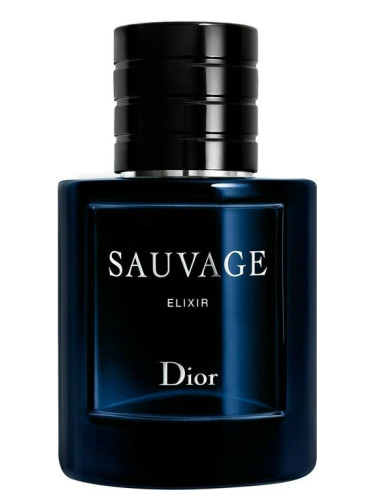
The reference case for restraint — two sprays under a shirt lasts a workday, and a full neck application will own every room you enter whether you want it to or not.
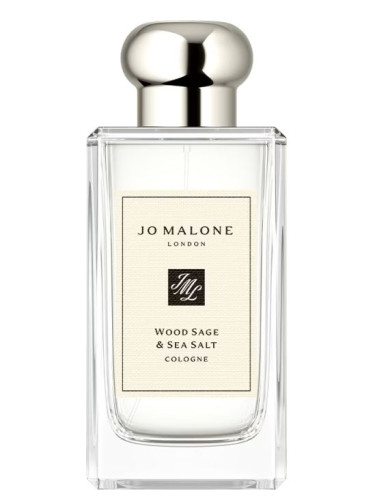
The opposite pole: a sheer skin scent designed for generous application, where six or eight sprays produce an aura instead of an assault.
Skin vs Clothes
Fabric is a better fixative than skin. Cotton and wool fibers trap aroma molecules and release them slowly, with no body oils breaking them down — a scarf can smell like last month's fragrance after two washes, and a sweater will comfortably outlast your skin by six hours. If raw longevity is the goal, a spray or two on your shirt or jacket is legitimate technique, not cheating.
The trade-offs are real, though. Fabric holds a fragrance frozen near its middle phase — no skin chemistry, no warmth-driven development, so you never get the drydown, which in many fragrances is the best part. And the stain risk is not hypothetical: perfume concentrates are colored, amber and vanilla-heavy compositions especially, and they will permanently mark silk, light linens, and pale cotton. Dark, sturdy fabrics only, sprayed from 8-10 inches, and never over anything you'd cry about. Pearls and other porous jewelry are off-limits entirely — alcohol dulls them.
The best answer is both: skin for development and warmth-driven projection, one calculated spray on an outer layer for the long tail. In winter this is essential — cold skin barely projects, but the inside of a coat collar is a scent reservoir all day.
Three Myths That Wreck Your Wear
The wrist rub. Spraying both wrists and grinding them together is the most universally inherited mistake in fragrance. Friction generates heat, and that heat flash-evaporates the most volatile molecules — your citrus, your bergamot, your aldehydes — in seconds instead of minutes. You skip your own opening and land in the mid notes early. Spray and let it dry untouched; the extra thirty seconds costs nothing.
The walk-through cloud. Spraying the air and strolling through it feels elegant and wastes most of your perfume on the carpet. A mist cloud deposits a fraction of each spray's 0.1 ml on you; the rest settles on the floor and furniture. It has exactly one honest use: distributing a whisper of a very loud fragrance over hair and clothing at once. As your default method, it's paying full price for a quarter dose.
Direct hair spraying. Hair holds scent beautifully — it's porous keratin with huge surface area — but a fragrance is 70-85% ethanol, which strips the lipids that keep hair from drying out and breaking. Spray your brush and pull it through, or use a dedicated hair mist built on a gentler base. Same payoff, none of the damage.
Nose-Blindness and Not Being That Person
Around thirty minutes in, you stop smelling your own fragrance. This is olfactory fatigue — your receptors are built to filter constant signals and flag new ones, so your own scent becomes background noise. Everyone else still smells it at full volume. The hour-two respray 'because it faded' is how reasonable people become the elevator problem: you were never smelling what the room smells. Judge longevity by asking someone, or by smelling your shirt the next morning — never by your own hour-two impression.
This mechanism is exactly why molecular, ambroxan- and musk-heavy fragrances get oversprayed into legend. Baccarat Rouge 540 is famous for it: wearers go nose-blind to it unusually fast, add four more sprays, and wonder why strangers react from across a store. If a fragrance seems to vanish on you but draws comments, trust the comments.
Etiquette is dosage applied to other people's air. Planes, elevators, open offices, doctor's waiting rooms: two sprays maximum, under clothing, and honestly consider zero on flights — scent in recycled cabin air has nowhere to go, and you're seated next to strangers who can't leave. Beast-mode projectors and syrupy gourmands like Lattafa Khamrah are weekend-and-outdoors tools. Save the artillery for venues with airflow. The goal was never to be smelled from thirty feet; it's to be irresistible from three.
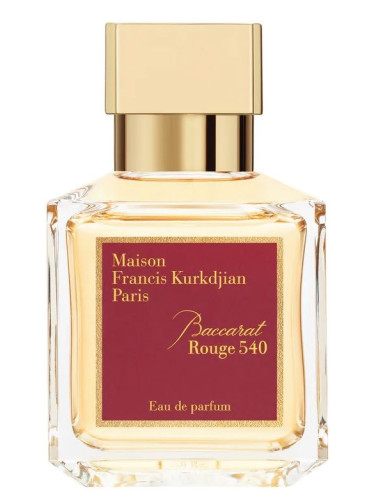
The definitive nose-blindness trap — you'll stop smelling it in twenty minutes while it broadcasts across the room, so cap it at two or three sprays no matter what your nose claims.

A $30 gourmand with $200 projection — proof that overspraying etiquette is about the fragrance's output, not its price tag.
Application is the cheapest upgrade in fragrance. The same bottle, moved from a rubbed wrist to a warm throat and a spray under the shirt, will last longer, project smarter, and read as intentional instead of accidental. Learn your dosage the reliable way: start at three sprays, ask people you trust, and adjust by one — never by your own nose-blind estimate at hour two.
And calibrate per bottle, not per habit. A sheer skin scent earns six sprays; an elixir earns two; a plane earns approximately none. The people who smell incredible every day aren't wearing more fragrance than everyone else — they're putting less of it in exactly the right places.
Questions people ask
How many sprays of cologne should I use?
Start with 3-4 sprays for a typical EDP, 4-6 for a lighter EDT, and 1-2 for an extrait or a known beast-mode projector. Drop to 2-3 in offices, planes, and other shared air. Adjust by one spray at a time based on other people's feedback, not your own nose.
Where exactly should I spray?
Best spots in order: throat and base of neck, behind the ears, center of the chest under your shirt, wrists, inner elbows. Heat drives diffusion, so warm spots outperform cool ones. The under-shirt chest spray is the most underrated — body heat releases it slowly all day.
Is it bad to rub my wrists together after spraying?
Yes. The friction heat flash-evaporates the most volatile top notes — the citrus and spark you paid for — and skips you straight into the mid notes. Spray and let it air-dry untouched for thirty seconds instead.
Should I spray fragrance on my clothes or my skin?
Both, deliberately. Skin gives you warmth-driven projection and the full drydown; fabric holds scent far longer but freezes it mid-development and can permanently stain silk and light-colored material. One spray on a dark outer layer plus a normal skin application is the strongest combination, especially in winter.
My fragrance disappears after two hours — should I reapply?
Probably not. Your olfactory receptors adapt to a constant smell within about thirty minutes, so you go nose-blind while everyone else still smells you clearly. Reapplying at hour two is the classic overspraying mistake. Ask someone else, or smell the inside of your shirt collar later for an honest reading.
Can I spray perfume in my hair?
Not directly — fragrance is mostly ethanol, which strips hair's protective oils and causes dryness and breakage over time. Spray your brush and pull it through, or buy a hair mist formulated on a gentler base. Hair holds scent exceptionally well, so a little goes far.
Want picks made for you?
Tell the recommender what you already own and it reads the DNA of your shelf.
Get recommendationsAs an Amazon Associate we earn from qualifying purchases.