Fragr school
How to Choose a Signature Scent (and Whether You Even Need One)
11 min read · 6 chapters
The signature scent is fragrance culture's most romantic idea: one bottle, worn so consistently that it becomes part of how people remember you. An ex catches it on a stranger years later and stops walking. It's a beautiful concept, it genuinely works, and the industry has every incentive to sell it to you — because the myth of The One Bottle moves a lot of hundred-dollar decisions that should have been fifteen-dollar samples.
Here's the honest version: the process of finding a signature is really the process of learning how to test fragrance properly, and most people have never been taught. They judge a scent in the first ninety seconds on a paper strip in a store deliberately engineered to rush them, then wonder why the bottle smells different at home. Every technique in this guide — skin testing, the three-wear rule, the sampling economy — makes you better at buying any fragrance, whether you end up a one-bottle person or not.
So this guide does both jobs. First, the unfashionable question of whether you need a signature at all (probably not, and I'll defend that). Then the actual method: how to test on skin instead of paper, how to survive a fragrance counter with your judgment intact, why $15 of samples beats a $150 blind buy, how compliments really work, and the one test that tells you a bottle is a keeper.
The honest take: a small rotation beats a signature for most people
Start with the question nobody at the counter will ask you: do you actually want one fragrance? A true signature means wearing the same scent to the office in July and dinner in December, and almost no fragrance is good at both jobs. The one-bottle life forces you into a compromise scent — moderate, versatile, a little beige — because anything with real character fails half your calendar. The people who pull off a genuine signature tend to have unusually consistent lives: same climate, same contexts, same hours. If your life has seasons, your scent probably should too.
The stronger play for most people is a small rotation with a center of gravity: three to five bottles where one gets worn maybe half the time. You still build scent memory — people absolutely associate a 'usual' with you even if you break from it on Saturdays — but you're never wearing vanilla in a heat wave out of loyalty. Rotation also protects you from the cruelest trick your own nose plays: adaptation. Wear one scent daily and within weeks you barely smell it, which leads directly to overspraying, which is how signature-scent people become that person. A rotation keeps every bottle vivid.
If the romance of one scent still calls to you, fine — this guide will get you there. Just define signature as 'the bottle I reach for by default,' not 'the only bottle I own.' The first is a preference discovered over time. The second is a purchase decision made too early.
How to actually test: skin, a full day, three wears
Paper strips are for triage, nothing more. A blotter can tell you 'citrus, not for me' in five seconds, and that's the entirety of its usefulness — paper doesn't have your skin's warmth, oils, or pH, and fragrances live or die on those. Something creamy and radiant on a strip can turn thin or sour on your skin; something shrill on paper can settle into gorgeousness on you. Every real verdict happens on skin: one spray on the inner forearm, and then — this is the hard part — you leave it alone. No rubbing wrists together; friction crushes the top notes' structure and skips you ahead in the movie.
Then respect the timeline. A fragrance is built in three acts: top notes are the first fifteen minutes and exist mostly to sell the first spray — bright, loud, and gone. Heart notes emerge over the next few hours and are the scent's actual personality. Base notes are what's still on your wrist at hour eight, and since a signature spends far more time in the base than in the opening, hour eight is more predictive of your happiness than minute one. Judging a fragrance in the first fifteen minutes is reviewing a film by its studio logo. The number of bottles bought for an opening that lasts twelve minutes would fund a small nation.
Finally, the three-wear rule: no verdict until you've worn it three separate days. Wear one is contaminated by novelty — everything interesting smells good once. Wear two you start noticing what actually happens at hour four. Wear three is the tell: if you're still excited to spray it on day three, that's signal. If you're wearing it out of obligation to the sample, that's your answer too. Weather, mood, and skin condition shift day to day; three wears averages out the noise.
Surviving the store: three tests, no cap-sniffing verdicts
A fragrance counter is an environment designed to break the testing rules you just learned. The lighting is flattering, the associate is friendly and commissioned, and there are two hundred open bottles pre-loading the air before you've sprayed anything. Walk in with a plan: use paper strips to triage down to your two or three most promising candidates, then spend your actual skin — one on each forearm, maybe one on the back of a hand — on those finalists. Three skin tests per visit is the hard ceiling. Past three, the scents bleed into each other at the edges and your nose is voting on a blend that doesn't exist.
About those coffee beans: theater. The idea that sniffing coffee 'resets' your nose has no real evidence behind it — you're just adding a fourth strong smell to the pile. What actually resets olfactory receptors is fresh air and time, or the old perfumer's trick of sniffing your own unscented forearm, which recalibrates you to your baseline skin smell. Step outside for five minutes between finalists. It works better than the beans and the store can't hand it to you.
And treat the cap-sniff with open suspicion. Smelling the cap or the nozzle tells you what the concentrated, slightly oxidized residue of the fragrance smells like — usually darker, sharper, and boozier than the sprayed scent ever is on skin. Bottles have been wrongly rejected and, worse, wrongly bought on cap-sniffs. If a scent intrigues you at the counter, the correct move is not the bottle. It's a sample, and that's the next section.
The sampling economy: $15 of samples beats a $150 blind buy
Run the numbers on a blind buy and it stops looking bold and starts looking silly. A $150 bottle bought on hype has, generously, a coin-flip chance of becoming a scent you love on your skin — reviews describe someone else's chemistry, someone else's climate, someone else's nostalgia. Miss, and you're relisting it at a 40 percent haircut or watching it gather dust as a monument to a YouTube thumbnail. The same $150 buys manufacturer samples or decants of ten to fifteen candidates: enough to run the full three-wear protocol on an entire shortlist and buy your eventual bottle with certainty instead of hope.
The decant market is the best-kept open secret in fragrance: legitimate sites and community sellers split large bottles into 2, 5, and 10 ml sprayers, which means five to ten real wears of anything — including niche fragrances that cost $300 a bottle — for the price of a sandwich. A 5 ml decant is the exact right size for a verdict: enough for the three-wear rule plus a weather retest, small enough that a miss costs you nothing worth mourning. My rule is mechanical and has never once failed me: no full bottle until I've finished at least half a decant. If I don't reach for the decant enough to drain it, why would I reach for 100 ml of it?
| Path | Cost | What you learn | Downside risk |
|---|---|---|---|
| Blind-buy one hyped bottle | $150 | Whether one fragrance works on you — after paying | Resale at a steep loss, or a shelf trophy |
| 10-15 samples / decants | $120-150 | Your actual taste across an entire shortlist | Basically none — worst case is knowledge |
| 3 skin tests per store visit, repeated | $0 | Openings and mid-notes of finalists | Slow, and store air muddies verdicts |
| One 5 ml decant of a finalist | $8-20 | The full three-wear verdict on one scent | A few dollars if it's a miss |
What $150 buys you
How compliments actually work (it's not projection)
If part of your signature ambition is being told you smell good — and let's be honest, it is — you should know the counterintuitive data of lived experience: close-range skin scents pull more compliments than projection bombs. A compliment requires someone entering your personal space and being pleasantly surprised — a hug, a lean-in, a shared car. Beast-mode fragrances announce themselves from ten feet away, so by the time anyone is close to you, there's no discovery left; the scent already introduced itself, and loudly. Worse, strong projection triggers politeness-silence: people don't compliment what they suspect the whole room can smell.
The compliment formula is intimacy plus surprise: something warm, slightly sweet or musky, humming at a six-inch radius. This reframes the signature search usefully — you're not choosing a scent for the room, you're choosing one for the two or three people a day who get close to you. Optimize for the lean-in, not the entrance.
Match it to your life, then run the keeper test
Now the filter that kills most candidates: your actual calendar. Fragrance marketing sells fantasy — the Dubai penthouse, the Riviera deck, the midnight speakeasy — and people buy the scent of the life they'd like instead of the life they have. Then the smoky oud sits unworn because you work in an open-plan office, not a falconry. Look at a normal week: if it's 70 percent office and errands, your signature must be office-legal, full stop. The wardrobe can hold a fantasy bottle or two for the nights that earn them; the signature has to survive Tuesday.
The final gate is the keeper test, and it's simply your own behavior: over a month with the finalist decant in your rotation, how often did you reach for it when nothing forced the choice? Reach-for-it-again rate is the only metric that can't be faked by hype, novelty, or sunk cost. A scent you admire but never grab is a museum piece. A scent your hand finds on autopilot three mornings out of five — that's a signature, discovered rather than declared. The five below are the classic signature-material candidates: versatile enough to survive a whole calendar, distinctive enough to become yours.
One warning as you finish: don't marry the first good one. The difference between 'this is nice' and 'this is mine' is usually two more months of comparison. Signatures are cheap to find slowly and expensive to find fast.
The most defensible signature on the market: citrus-woody polish that works at a desk, a dinner, and a wedding. Its only flaw is how many people already figured that out.
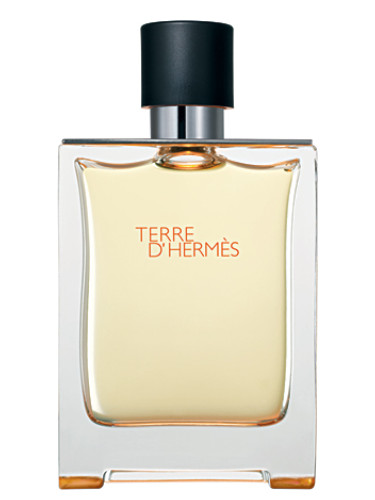
Orange, flint, and vetiver with real character — the signature for someone who wants to smell distinctive without smelling loud. Ages beautifully with its wearer.
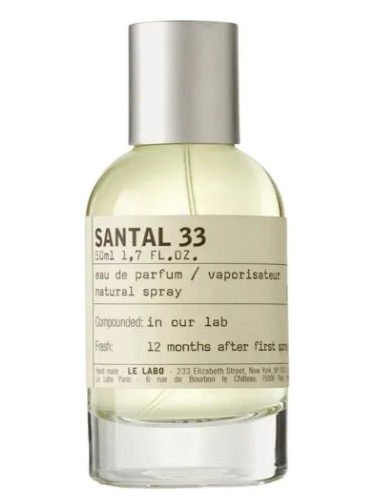
The famous leathery-sandalwood skin scent that became a generation's signature — proof that close-range character beats projection. Test before buying; it's love-or-hate on skin.
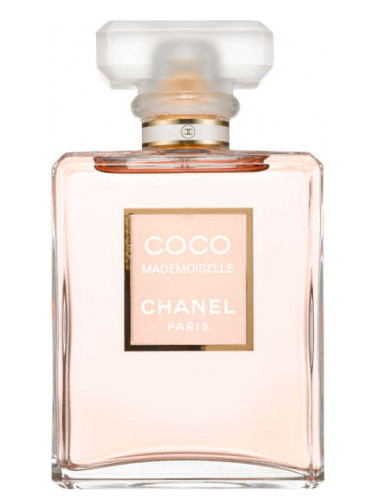
Sparkling orange over rose and patchouli — arguably the most successful signature scent of the century, elegant at every hour and in every season.
The method compresses to a sentence: spray it on skin, live with it for three full wears, buy the sample before the bottle, and let your reach-for-it rate — not the counter, not the reviews, not the opening — make the final call. Whether that process ends in one beloved bottle or a five-scent rotation with a favorite, you'll have arrived by evidence instead of marketing, and it will smell like it.
And if you do land on The One — the bottle your hand finds without asking — enjoy the thing the rotation crowd quietly envies: in a few years, that scent will be able to stop someone on a sidewalk with a memory of you. That's the entire romance of the signature, and it's real. It just shouldn't cost you three blind buys to get there.
Questions people ask
How many fragrances do I actually need?
Three covers most lives: a versatile daily, something warm for evenings and winter, something fresh for heat. Five adds a night-out scent and a wildcard with real character. Past eight, you're a collector — which is a fine hobby, but be honest that it's a hobby. Need stops at five; want has no ceiling.
Should I wear the same scent every day?
You can, but know the cost: nose adaptation means within weeks you'll barely smell it on yourself, which tempts overspraying, and one bottle can't serve both July and December well. A better version of the same romance is a default scent worn most days with two or three seasonal alternates — you still build the scent-memory association without fighting the weather.
How long should I test before buying a full bottle?
Three full wears minimum, on skin, across different days — and ideally finish half of a 5 ml decant before committing. If that sounds slow, remember the alternative is a $150 coin flip. A fragrance you'll wear for years can wait three weeks for a verdict.
Do compliments mean I've found my signature?
They're one signal, not the verdict. Compliments measure how a scent lands on others at close range; a signature also has to pass your own keeper test — do you reach for it when no one's around to impress? The bottle that wins both is the one. A scent that gets praise but bores you will end up unworn within a year.
Does a signature scent need to be expensive or niche?
No. Price buys ingredient quality and distinctiveness past a point, but some of the most successful signatures in history are designer staples under $120, and houses like Lattafa prove character exists under $40. What makes a scent a signature is consistency of wear, not the receipt. An expensive bottle worn twice a year signifies nothing.
What if my signature gets discontinued or reformulated?
It's a real risk with any long relationship in this hobby — formulas change quietly and beloved scents vanish. Don't stockpile five bottles on fear; fragrance also degrades over decades. Keep one backup at most, and remember that your taste found one great scent through a real method — the same method will find the next.
Want picks made for you?
Tell the recommender what you already own and it reads the DNA of your shelf.
Get recommendationsAs an Amazon Associate we earn from qualifying purchases.