Fragr school
How to Layer Fragrances Without Ruining Both
7 min read · 7 chapters
Layering is wearing two or more fragrances at the same time so they read as one composition. Done right, nobody asks what two things you are wearing — they ask what one thing you are wearing, and it is a scent that does not exist in any bottle on earth. Done wrong, you smell like a duty-free shelf fell on you.
This is not a fringe hobbyist trick. Jo Malone built an entire business on it: the house keeps its scents deliberately simple and linear and prints combining suggestions on the box, because it expects you to stack them. Lattafa and the wider Gulf houses come from a culture where layering is the default — perfume oil on skin, an eau de parfum over it, bakhoor smoke worked into the clothes.
There are real rules, and they are physics rather than taste. Get the order, the families, and the spray count right, and layering is genuinely hard to mess up.
What Layering Actually Is (and Why Some Houses Design for It)
Picture fragrances on a spectrum from ingredients to finished dishes. A clean white musk, a plain vanilla, a single-note citrus cologne — those are ingredients. An Aventus-style fruity chypre or a baroque amber with twenty materials already balanced against each other is a finished dish. Layering works when at least one of the two scents is an ingredient. Two ingredients combine beautifully. An ingredient can season a dish. Two finished dishes fight for the same air.
The houses that design for layering keep this in mind on purpose. Jo Malone's colognes are short, legible chords precisely so Wood Sage and Sea Salt has room to accept a citrus on top. In the Gulf, the practice predates the spray bottle: attar oil as the base, sprays over it, smoke in the fabric. Lattafa Khamrah smells thin up top and monstrous in the drydown because it is built like a foundation — it assumes something will live above it.
The Base Rule: Heavy and Sweet Goes On First
One rule outranks all others: the heavier, sweeter, darker scent goes on the skin first, and the brighter one goes over it. The mechanism is volatility. Base materials — musks, vanillin, resins, oud, ambroxide — are heavy molecules that evaporate slowly and cling for many hours. Bright materials — limonene, linalool, aldehydes — flash off within the first hour no matter what you do. Put the durable layer down as the floor, and let the volatile layer sparkle on top while it lives.
In practice: spray the heavy scent on your chest and torso, wait sixty to ninety seconds until it is fully dry so the two layers do not puddle and smear into each other on wet skin, then apply the bright scent to your neck and over your shirt. Through the day the top layer burns off on schedule and the base emerges — you have composed your own top note and drydown out of two whole bottles.
A useful shortcut: the sweeter scent is almost always the heavier one. Ethyl maltol, vanilla, tonka, and caramel notes are base-register materials by nature, so when in doubt, sweetness goes first.
Which Families Combine — the Matrix
Musk goes under anything. White musks are the universal adapter of layering: enormous, slow-evaporating molecules that smell like clean skin and almost nothing else. Many people are partially anosmic to them, which is exactly why they work: body, warmth, and hours of life without adding an argument.
The proven chords: vanilla plus citrus is the orange-creamsicle move, and an entire genre of neroli-vanilla colognes exists because it works. Oud plus rose is the classic Middle Eastern combination — the jammy damascones in rose interlock with oud's smoky, slightly animalic wood so completely that half the Gulf catalog is built on the pair. Amber and spice warm up almost any fresh scent. Woods sit comfortably under florals.
The failure mode is two loud gourmands. Caramel over praline over chocolate over more caramel does not read as delicious; it reads as a casserole — every dessert in the fridge scraped into one dish. Sweet plus fresh works. Sweet plus woods works. Sweet plus a second competing sweet is how you clear a room.
Matching Body Wash and Lotion Is Layering Too
The matching shower gel and body lotion are not a merch upsell — they are the base coat, and they are the single cheapest longevity hack in the hobby. Fragrance sprayed onto moisturized skin lasts dramatically longer than fragrance sprayed onto dry skin, because the lotion's oils dissolve the aroma chemicals and the occlusive film slows their evaporation. Dry skin does the opposite: it drinks the alcohol carrier and lets the scent flash off.
You do not even need the matching line. An unscented lotion, or a thin swipe of petroleum jelly on each spray point before you spray, buys hours for pennies with zero risk of a clash. If you do use scented products, same-family beats same-brand: a vanilla shower gel under any sweet amber does more for you than a random clashing designer wash.
Spray Math: How Many of Each
Your total spray count when layering should equal your normal spray count, not double it. If you usually wear five sprays of one fragrance, five sprays is the budget for the whole stack. Layering multiplies complexity, not volume — the fastest way to ruin a good combination is wearing ten sprays of it.
Split the budget roughly 60/40 in favor of whichever scent you want to lead: typically two or three sprays of the base on chest and torso, then one or two of the top on the neck and shirt. Decide which fragrance is the headline before you spray. Two scents at exactly equal strength do not harmonize; they smear.
Six Combos That Actually Work
Every pairing below follows the rules above: one ingredient-style scent anchoring or brightening one richer partner, heavy layer first, budget split 60/40 — all famous, easy-to-find bottles, because experiments should not start with rare juice.
Khamrah is a boozy cinnamon-date base with no real opening; a sparkling bergamot cologne over it supplies the top note it never had. Whiskey with a twist of lemon zest.
Alone, Baccarat Rouge 540 can read airy to the point of screechy. A dense vanilla underneath rounds it into the plush jasmine-caramel cloud people think they remember it being.
CDNIM's smoky pineapple over a tobacco-vanilla floor sands off its sharp birch-tar edge and makes a twenty-five dollar bottle read genuinely expensive.
The classic rose-over-oud chord in designer clothing: Delina's lychee Turkish rose blooming over Oud Wood's smooth, papery oud. The oldest move there is, still the best.
Not a Perfume is essentially pure Cetalox — a musky fixative in a bottle. Under a fleeting citrus-aquatic like Light Blue it adds an actual drydown, so the freshness fades into skin instead of vanishing.
The house designed these to combine: salty driftwood underneath, herbal citrus on top. It smells like a coastal walk with a gin and tonic, and it is the safest first experiment you can run.
What Not to Layer — and How to Start Cheap
Never layer two finished dishes. Two complex statement scents — an Aventus-style chypre over a Sauvage-style aromatic, or any two designer pillars — each arrive with their own top, heart, and base, and the twelve-way collision smells like a crowded elevator. The casserole rule from earlier also stands: two competing sweet bombs cancel into sugary noise. If both bottles are things you would happily wear alone as a signature, they probably should not share your skin.
Starting cheap is easy, because base-layer materials are simple and simple is inexpensive. A clean white musk and a plain vanilla between them will layer under most of your existing collection, and a sweet amber anchor covers the rest. Three modest bottles turn a five-fragrance shelf into a wardrobe of thirty combinations.
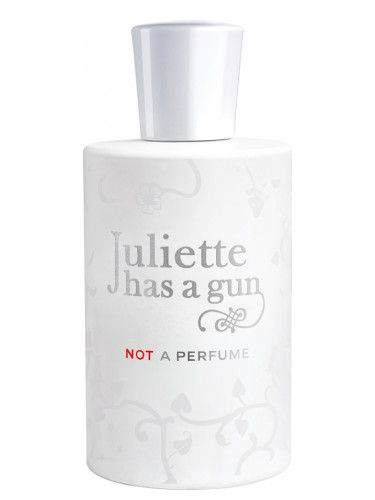
One-material Cetalox musk — the universal under-layer that flatters nearly anything sprayed over it.

A dense, boozy amber-gourmand anchor for around thirty dollars; built like a foundation, wears like one.
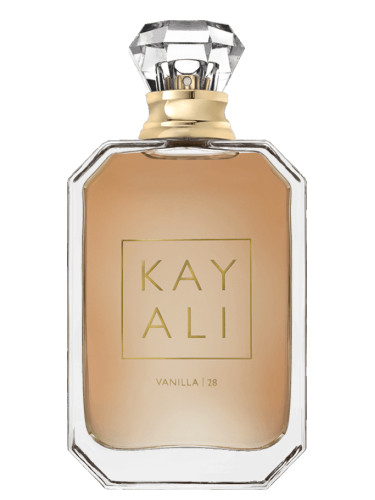
Purpose-built layering vanilla from a house whose whole catalog is designed to stack.
Layering is not advanced perfumery — it is four habits. Heavy and sweet on first, dry between layers, keep the total spray count normal, and make sure at least one of the two scents is a simple ingredient rather than a finished composition. Everything else is taste.
Start with the freebie: unscented lotion under whatever you already wear. Then buy one musk or one vanilla and run it under your current signature for a week. The first time someone asks what you are wearing and the honest answer is two things, you will get it.
Questions people ask
Does layering make fragrance last longer?
Only if one of the layers contains long-lived materials. A musk, vanilla, or amber base genuinely extends the wear because those molecules survive for many hours. Two fleeting fresh scents layered together die on the same schedule they would alone.
Do I spray both fragrances on the same spot?
You can, but let the first layer dry for sixty to ninety seconds so they do not smear together on wet skin. Splitting locations works even better: the base on chest and torso, the brighter scent on neck and clothing.
Can I layer an EDT with an EDP?
Yes. Concentration does not restrict layering — it just hints at which is the heavier partner. Usually the EDP is the base and the EDT the top.
Can I layer a men's fragrance with a women's fragrance?
Molecules do not have genders; marketing departments do. Rose over oud, vanilla under citrus, and musk under everything all cross the aisle constantly. Wear the combination, not the label.
What is the safest first combination to try?
A near-invisible white musk, like Juliette Has a Gun Not a Perfume, sprayed under your current signature. It cannot clash, it adds body and hours, and it teaches you how a base layer changes a scent.
Want picks made for you?
Tell the recommender what you already own and it reads the DNA of your shelf.
Get recommendationsAs an Amazon Associate we earn from qualifying purchases.