Fragr school
How to Make Fragrance Last Longer: What Actually Works
8 min read · 7 chapters
Most longevity advice is folklore passed between mall counters. The truth is less mystical: fragrance is a solution of aroma molecules evaporating off a surface, and everything that affects how long it lasts comes down to three levers — the condition of the surface, where you put the scent, and the molecules themselves.
Two of those levers are fully in your control, and the fixes are cheap: a tube of unscented lotion and a five-dollar travel atomizer will do more for your performance than a hundred dollars of stronger juice. The third lever — the chemistry inside the bottle — you only control at the register, and this guide shows what to look for so you stop blaming your skin for chemistry.
First, though, fix the vocabulary, because half of all longevity complaints are actually about something else.
Longevity, Sillage, Projection: Three Different Deaths
Longevity is how many hours the scent stays detectable on your skin at all — down to the final stretch where only a hug would notice. Projection is the radius the scent broadcasts around your body at a given moment. Sillage — French for the wake behind a ship — is the trail you leave in a room after walking through it. Three separate measurements that reviews constantly smear together.
Almost every fragrance stops projecting hours before it dies. A typical eau de parfum projects for ninety minutes, leaves sillage for three hours, and survives as a skin scent for ten. So diagnose which death you mean: strangers gone at noon but collar alive at midnight is normal behavior — you want more projection, a different shopping list.
How a Fragrance Dies: Molecule by Molecule
The note pyramid is not a recipe order — it is an evaporation schedule. Every material starts leaving your skin the moment you spray, at speeds set by molecular weight and volatility. Limonene, the workhorse citrus molecule, is a featherweight at 136 g/mol and flashes off within the first hour. The heavyweights — musks like galaxolide, woody ambers like Iso E Super and ambroxide, vanillin, resins — evaporate so slowly they can still be on your coat next week.
This is why no trick on earth makes a citrus cologne or sheer aquatic last twelve hours. Their identity lives in the volatile top: once the limonene is gone, the fragrance is not weak — it is over. Fresh scents that do last all day cheat with heavy molecules — dihydromyrcenol, ambroxide — that read clean and airy while weighing enough to stay. Perfumers buy longevity with fixatives — musks, resins, ambrox — that dissolve their volatile neighbors and slow the whole evaporation curve; you cannot add them afterward.
The practical takeaway: longevity shopping happens at the base of the pyramid. A base of faint musk and cedar means skin scent by early afternoon no matter the price. A base of vanilla, tobacco, oud, amber, or resins has fixatives, and the fixatives will carry it.
Skin Is the Substrate — Feed It First
Fragrance evaporates from a surface, and the surface sets the rate. Dry skin drinks the alcohol carrier, gives the aroma molecules nothing to dissolve into, and lets the whole composition flash off. That is the literal mechanism behind the complaint that dry skin eats fragrance.
Moisturized skin flips the equation: lotion oils dissolve the aroma chemicals, and the occlusive film physically slows evaporation — the same reason perfume oils outlast alcohol sprays. Unscented lotion on your spray points a minute before spraying typically buys two to three extra hours. The stronger version is a thin swipe of petroleum jelly: nearly pure occlusion — the fragrance dissolves into the film and releases slowly all day.
Skin type explains why your friend gets twelve hours from the bottle that gives you four. Sebum is a built-in fixative, so oily skin both projects more and holds longer. If yours runs dry, moisturize religiously, stay hydrated, and bias toward eau de parfum and parfum concentrations, which carry more oil in the juice.
Placement: Build a Scent Bubble, Not a Wrist Show
The best spray point on your body is the chest, under your shirt. Heat rises, so a chest application pumps scent up through your collar continuously — a private bubble you re-enter with every movement, still working at hour ten. The worst spray point is the one everyone uses: wrists get washed several times a day, dragged across desks, shoved into sleeves. A wrist application rarely survives till lunch; usually the hand soap killed it, not the fragrance.
Do not rub your wrists together after spraying. Friction heats the skin and force-evaporates the most volatile materials — you fast-forward the first hour of the fragrance in ten seconds. Nothing is activated — only spent. Spray and let it dry untouched.
Clothes are the longevity cheat code, with caveats. Fabric holds scent several times longer than skin — no body heat, no sweat, no skin enzymes. The trade-offs: fabric freezes development, and oil-rich or deeply colored juice can stain. Use both surfaces: skin for the living, developing scent, plus a couple of sprays on the inner chest of your shirt for endurance.
The Hack Audit: What Works, What Is Folklore
Every popular longevity trick, judged by mechanism rather than vibes.
| Hack | Verdict | Why |
|---|---|---|
| Unscented lotion or vaseline before spraying | Works | Occlusion: the oil film dissolves aroma molecules and slows evaporation. Reliably adds hours. |
| Rubbing wrists together | Myth | Friction and heat strip the volatile top notes in seconds. Nothing is activated — only wasted. |
| Storing bottles in the fridge | Depends | Cold slows oxidation, which helps fragile citrus and vintage juice keep for years. Does nothing for wear time, and a food fridge adds odors and condensation. |
| Spraying clothes | Works, with caveats | Fabric holds scent several times longer than skin, but development flattens and oils can stain delicate fabrics. |
| Walking through a mist cloud | Myth | Most of the spray lands on the floor. You wear a fraction of each spray, unevenly. |
| Spraying hair | Depends | Hair holds scent beautifully, but the alcohol dries it out. Spray a hairbrush and pass it through, or use a hair mist. |
Common longevity hacks and their verdicts
Storage: Your Bottle Ages Like Milk, Not Wine
Heat, light, and oxygen degrade a fragrance from the top down. Citrus oxidizes first — limonene converts into sour, turpentine-edged compounds — which is why an abused bottle smells wrong in the opening while the base seems fine. The bathroom shelf is the worst place a bottle can live: daily heat spikes, humidity swings, often direct light.
The fix is free: original box, drawer or closet, coolest room. The box blocks UV, the drawer steadies temperature, and a sealed bottle kept dark and cool stays true for years. Oxygen you cannot fully stop — a half-empty bottle carries a headspace of air working on the juice — so wear your open bottles.
Refrigeration genuinely slows oxidation, and collectors with dedicated mini-fridges at cellar temperature are not wrong. A kitchen fridge is a bad compromise — temperature cycles, food odors, condensation in the cap. Short of the vintage-citrus collector, a dark closet delivers ninety-five percent of the benefit.
Reapply Like a Pro — and Stop Trusting Your Own Nose
Ten sprays at 8 a.m. buys you a louder first hour, not a longer day. Evaporation curves do not stretch with volume — they restart with reapplication. The professional move is a five-dollar travel atomizer and two sprays at hour five or six: the entire pyramid resets in the afternoon, beating any morning mega-dose on a fraction of the juice.
Before reapplying, confirm the fragrance is actually dead — because your nose is a liar. Olfactory fatigue nulls any constant smell within twenty to thirty minutes; the scent still broadcasts, but your brain files it as background. Never test on your own wrist: step outside for a few minutes, then smell the inside of your shirt collar, or ask a friend. If the shirt says alive, skip the top-up.
When you want all-day performance from the bottle itself, buy fixative-heavy bases. These four famously outlive the workday on nearly anyone's skin.

Boozy date-and-cinnamon gourmand where ethyl maltol and vanilla act as built-in fixatives. Twelve hours is a normal day for it.
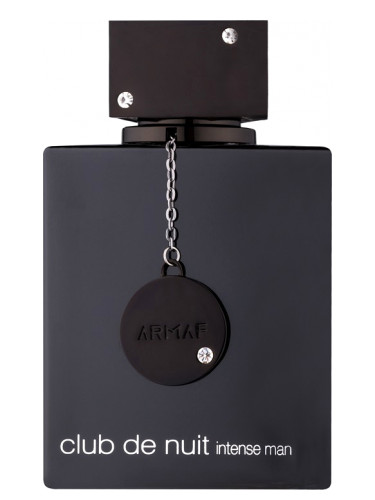
The smoky birch-tar and musk base survives a full workday on even dry skin — the budget longevity benchmark.
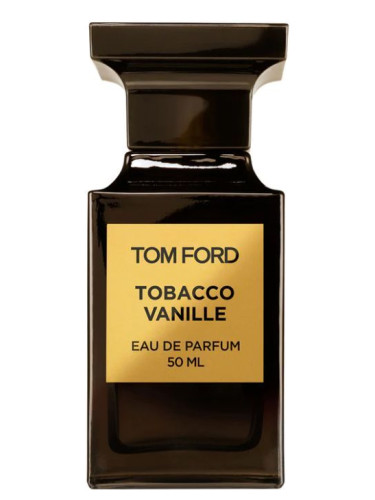
Dense tobacco, vanilla, and resins. Still on your coat next week; on skin it simply refuses to quit.
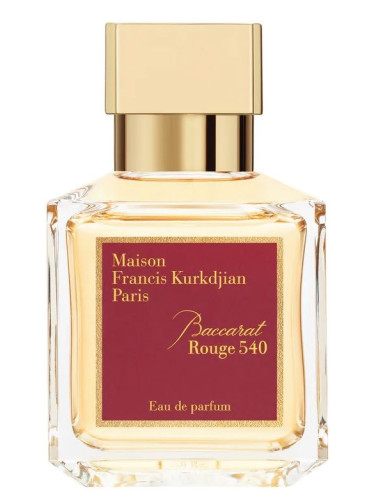
Deceptively airy, but its ambroxide-and-amberwood skeleton is heavyweight chemistry that lasts to bedtime.
Longevity is not luck and not skin-chemistry mysticism. It is a checklist: moisturize the surface, spray the chest and a shirt layer instead of the wrists, never rub, store the bottle dark and cool, carry an atomizer, and check your shirt instead of your fatigued nose.
The last rule saves you money: match expectations to chemistry. A lemon cologne is a two-hour pleasure by design — wear it like one and reapply. When you need twelve guaranteed hours, reach for a base of vanilla, resins, musk, or oud, and let the molecules do the work.
Questions people ask
Why does my fragrance disappear after an hour?
Usually it has not — your nose has. Olfactory fatigue mutes a constant scent within about half an hour. Step outside, then smell your shirt collar or ask a friend. If it truly is gone, blame dry skin or a top-note-only composition.
Does spraying more make it last longer?
Barely. Extra sprays make a fragrance louder, not meaningfully longer, because every molecule still evaporates on its own schedule. Two sprays reapplied mid-afternoon beat ten sprays in the morning every time.
Should I keep my perfume in the fridge?
Only for fragile citrus or vintage juice, ideally in a dedicated mini-fridge. Kitchen fridges bring temperature cycling, food odors, and condensation. A dark drawer in a cool room is right for almost everyone.
Where should I spray for maximum longevity?
Chest under the shirt, plus a light spray on the shirt's inner fabric. Skin gives you the living, developing scent; fabric holds it several times longer. Skip the wrists — they get washed all day.
Do pulse points actually matter?
Less than the counter told you. Warm pulse points push scent into the air faster — more projection early, and an earlier death. For longevity, cool covered spots like the chest beat warm exposed ones.
Want picks made for you?
Tell the recommender what you already own and it reads the DNA of your shelf.
Get recommendationsAs an Amazon Associate we earn from qualifying purchases.